One month ago, we launched the Counterlawfare Institute. We want to begin by expressing our profound gratitude to everyone who made this extraordinarily encouraging first month possible.
Individual donors from across the country stepped forward to support our work. We have no corporate sponsors, major donors, institutional backers, or fundraising network. Every contribution came from grassroots supporters, and we could not be more grateful for their confidence in our mission.
The response has also confirmed that the need for this work is even greater than we initially understood.
During our first month, someone entrusted us with an important internal document that had never been made public. We investigated it, placed it in context, and published an original report explaining its significance.
We have also begun hearing directly from people who believe they have been targeted or harmed by lawfare and who have asked us to examine, document, or bring attention to their cases.
It is enormously encouraging that people are already willing to trust an institution only weeks old with information and experiences that deserve serious investigation. But it is also sobering. People are coming to us because, in many cases, they believe there is nowhere else to go. The institutions that should investigate abuses, scrutinize official conduct, defend professional standards, or expose wrongdoing have too often remained silent, looked away, or participated in the abuse themselves.
We cannot yet pursue every case submitted to us. But documenting the experiences of those targeted by lawfare, bringing serious attention to their cases, and helping fill this institutional vacuum are precisely why the Counterlawfare Institute was created.
Our first month has also reinforced something that is becoming increasingly central to our work.
Lawfare extends far beyond the misuse of courts or prosecutors against particular individuals. It also operates through government agencies, scientific bodies, universities, professional organizations, media institutions, and other centers of authority whose power, prestige, and procedural legitimacy can be manipulated to produce political outcomes that could not withstand open public debate or democratic consent.
This form of institutional lawfare remains poorly understood and far too rarely discussed. Exposing how it operates, documenting its consequences, and building a serious intellectual foundation for confronting it will be a major focus of the Institute’s work.
There is much more to come.
In the coming days, we will release our interview with General Michael Flynn. We will also continue publishing original reports and analysis, conducting interviews, examining the documents and cases being submitted to us, and developing our long-term research and documentation projects.
One month ago, the Counterlawfare Institute was an idea. Today, people are supporting it, entrusting us with information, asking us to investigate, and helping us build an institution.
Thank you for making this possible. We are only getting started.
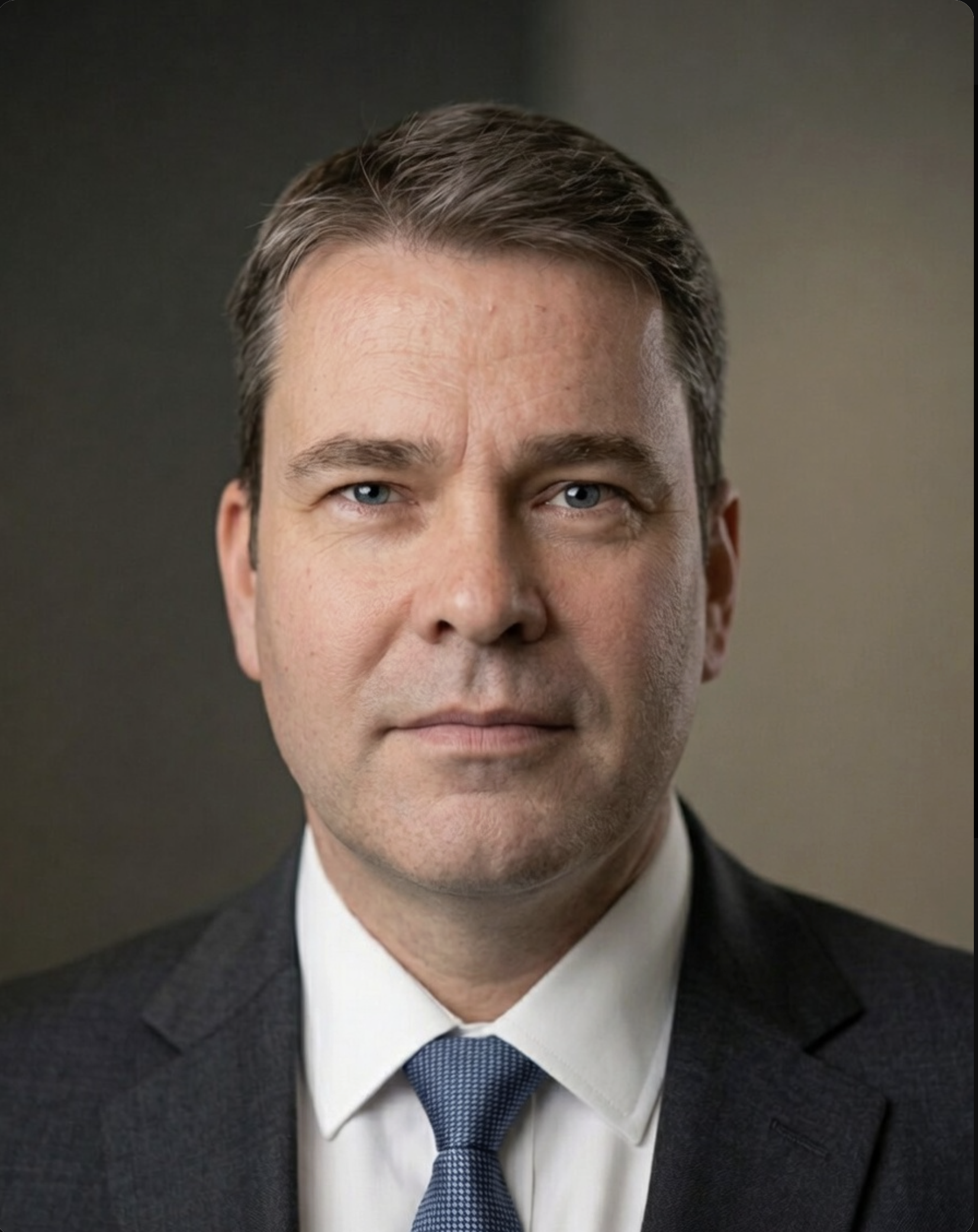
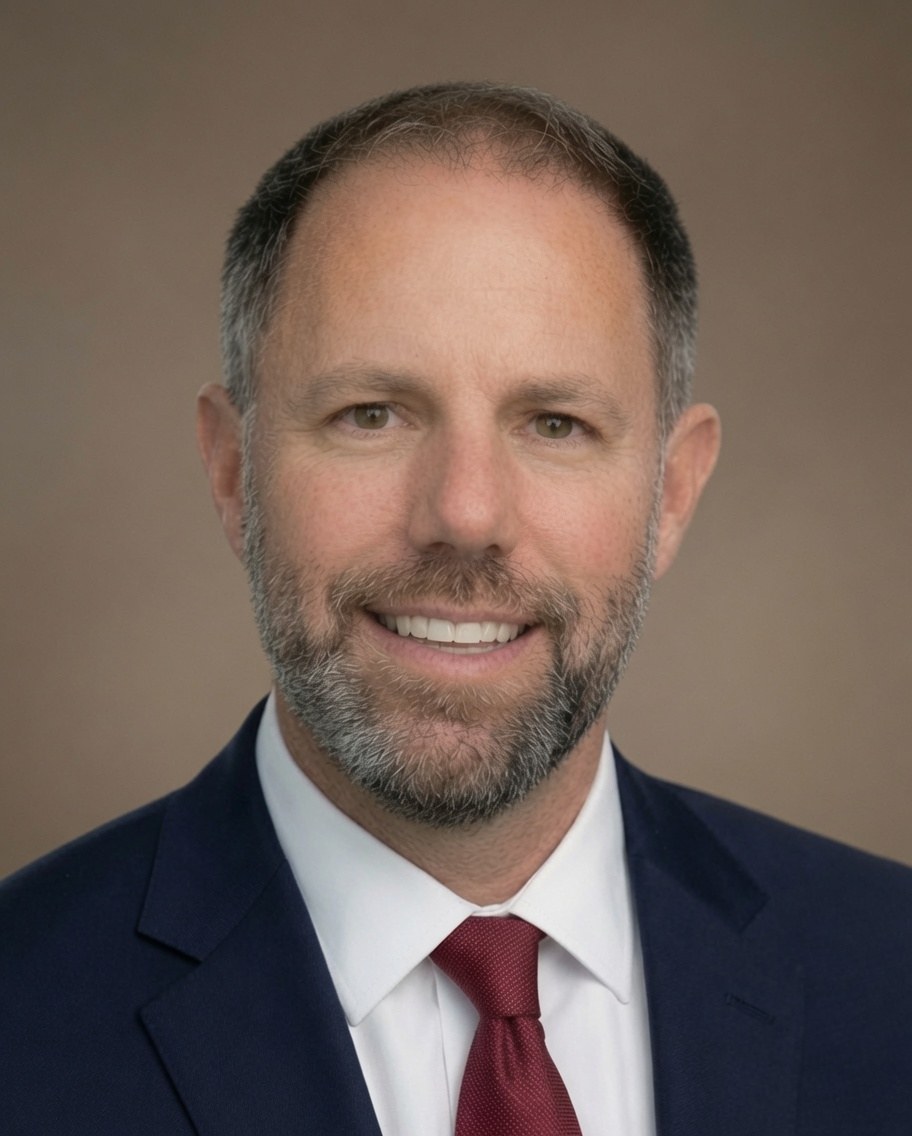
Aram Fuchs & Hans Mahncke
Founders
Counterlawfare Institute